Abyssinia Journeys
ጥቅምት ፳፩ ፣ ፳፻፲፱Tikimt 21, 2019Tikimt 21 Enquire
Roasted coffee beans being pounded in a wooden mortar beside a bowl of beans, on cut grass, in Arba Minch

Coffee origin · ቡና

Where coffee
began

Wild coffee
Kaffa, Bale (Harenna)
Harvest
October to January
Washing stations
Sidama, Gedeo
Ceremony
About an hour, three cups
Journey
Where Coffee Began

01 · Buna

ቡና

Arabica coffee comes from the forests of south-west Ethiopia, where it still grows wild under the trees. Here, coffee is a crop, a trade, a meal and a ceremony.

Ethiopia is the largest coffee producer in Africa and drinks around half of what it grows. The word for coffee is buna, and "buna tetu", come and drink coffee, is an invitation to sit down and talk. This page covers the three things we are asked about most: the ceremony, the wild forests, and how to visit a farm or washing station.

Coffea arabica
Native to the montane forests of south-west Ethiopia.
Three cups
Abol, tona and baraka: the full ceremony.
Oct – Jan
The main harvest in the south.

02 · The ceremony, step by step

An hour, nine steps, three cups

Usually led by the woman of the house, in a living room, a courtyard or a café corner. Here is what happens, in order, with the Amharic words you will hear.

Black clay jebena coffee pots and one painted red and white, for sale in Merkato, Addis Ababa
  1. ፩

    Grass and incenseቄጤማ

    Fresh grass (ketema) is scattered on the floor, frankincense goes on a coal, and a low table (rekebot) is set with small handleless cups (sini).

  2. ፪

    Washing the beansማጠብ

    Green coffee is washed in water, rubbed between the hands, and drained.

  3. ፫

    Roastingመቁላት

    The beans are roasted in a long-handled pan (menkeshkesh) over charcoal, shaken until they crackle and turn dark and oily.

  4. ፬

    Sharing the smokeጭስ

    The host carries the smoking pan round the room. Wave the smoke towards you and say how good it smells: it is part of the welcome.

  5. ፭

    Grindingመውቀጥ

    The roasted beans are pounded in a wooden mortar (mukecha) with an iron pestle, or ground by hand.

  6. ፮

    Brewing in the jebenaጀበና

    The grounds go into a black clay pot with a long neck, the jebena, with water. It boils up on the coals, then rests on a straw ring while the grounds settle.

  7. ፯

    Abol, the first cupአቦል

    Poured from height in one unbroken stream. Strong and thick. Sugar is usual; in some homes salt, butter or rue (tena adam).

  8. ፰

    Tona, the second cupቶና

    Water is added to the same grounds and boiled again. Lighter, and the conversation settles in.

  9. ፱

    Baraka, the third cupበረካ

    The third round is the blessing. Stay for it. Popcorn or roasted barley (kolo) often comes round with it.

03 · Forest coffee

The wild coffee forests

Kaffa

The Kaffa forest

In the Kafa Biosphere Reserve around Bonga, coffee grows as a forest shrub under old trees, in thousands of wild varieties. Families pick from the forest and dry the cherries at home. We walk it with forest guides from the villages.

Discover more
Bale

The Harenna forest

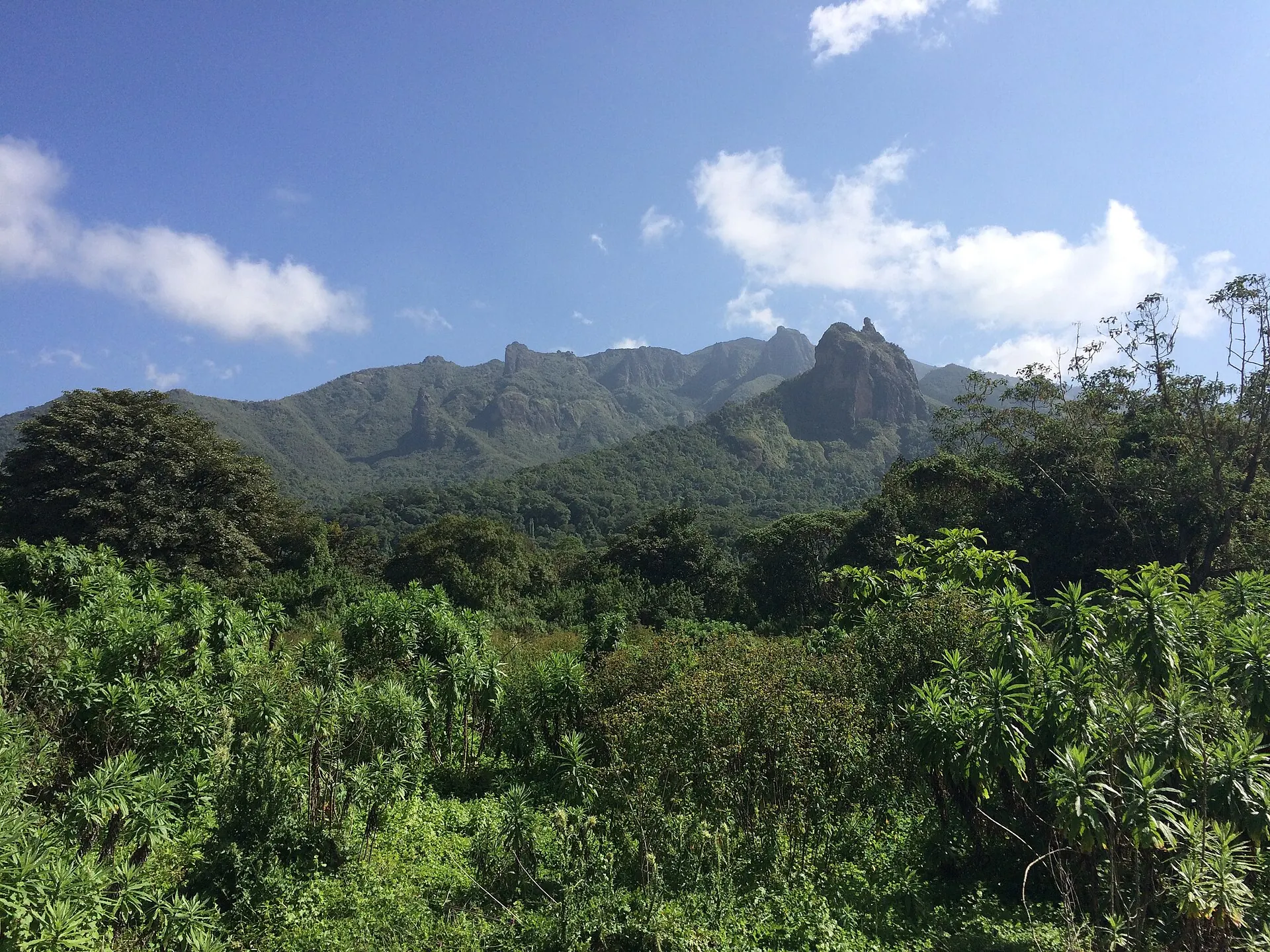
Forest and jagged peaks at the edge of the Harenna forest, Bale Mountains

Below the Bale Mountains, the Harenna forest also has wild coffee in its understorey. It is part of our Walls and Wolves journey: wolves on the plateau in the morning, wild coffee in the afternoon.

Discover more
Why it matters

A genetic reserve

A hand holds out a pan of freshly roasted coffee beans in Shashemene

Almost all the world's Arabica descends from a small number of plants taken out of Ethiopia. The wild forests hold the diversity the rest of the industry lacks, and they are shrinking. Visiting with local guides puts money into keeping them standing.

04 · Visiting farms

How to visit a farm or washing station

Most Ethiopian coffee is grown by smallholders and processed at washing stations run by cooperatives or private exporters. Here is how a visit works.

Go at harvest

From October to January the washing stations are working: farmers deliver red cherry in the afternoon, it is sorted, pulped and fermented, and the parchment coffee dries on raised beds. Outside harvest there is little to see.

Go with an introduction

Washing stations are workplaces. We arrange visits in advance through the cooperative or exporter, with someone who can explain what you are seeing and answer the questions about prices that everyone asks.

Where

Sidama, around Hawassa, and Gedeo, around Yirgacheffe, for washed coffees. Kaffa and Jimma for forest and natural coffees. Harar for dry-processed coffee in the east.

What to bring

Closed shoes, sun protection and cash for any purchase. A notebook: you will want the names of the station and the cooperative.

Buying coffee

Buy small amounts for your own use from the cooperative or the farm, not from someone at the roadside. Check your home country's rules on importing green or roasted coffee, and keep your receipt.

Etiquette

Ask before photographing people working. Don't walk on drying beds. If you are offered coffee, accept, and stay for the conversation.

The coffee journey

05 · The coffee year

By the Ethiopian calendar

The harvest runs from Tikimt to Tir, peaking around Hidar and Tahsas. Flowering follows the first rains in Ginbot.

መስከረምMeskerem
Good
ጥቅምትTikimt
Good · first picking
ኅዳርHidar
Best · harvest
ታኅሣሥTahsas
Best · harvest
ጥርTir
Good · last picking
የካቲትYekatit
Good
መጋቢትMegabit
Good
ሚያዝያMiyazya
Rains
ግንቦትGinbot
Rains · flowering
ሰኔSene
Rains
ሐምሌHamle
Rains
ነሐሴNehase
Rains
ጳጉሜንPagume
Rains
BestGoodRains: possible, but harder

Before you write

Coffee questions

Is the Kaldi story true?

The tale of a goatherd called Kaldi who noticed his goats dancing after eating coffee berries was first written down in Europe centuries later. It is a good story, not history. What is certain is that Arabica comes from these forests.

Does "coffee" come from "Kaffa"?

Many people say so, and it is the story you will hear in Bonga. Most dictionaries trace the English word through Dutch and Turkish to the Arabic qahwa. Nobody knows for sure where qahwa comes from.

Can we join the harvest?

Sometimes, for an hour or two, if the family or cooperative is happy for you to. It is hard, careful work: you pick only the ripe red cherries.